A receipt from the restaurant shows a person ordering several alcoholic beverages. A few hours later the same customer has been involved in a serious accident. For an attorney investigating potential liability of a dram shop, the receipt is relevant. It isn’t a guarantee that the restaurant served someone who clearly drunk, or if employees didn’t follow procedures. It’s possible that the evidence is more compelling when you consider the actions that took place between drinks.
To comprehend the sequence, you must consider the alcohol service as a component of a hospitality operation. It is not possible to take a look at the number of drinks consumed after an incident.
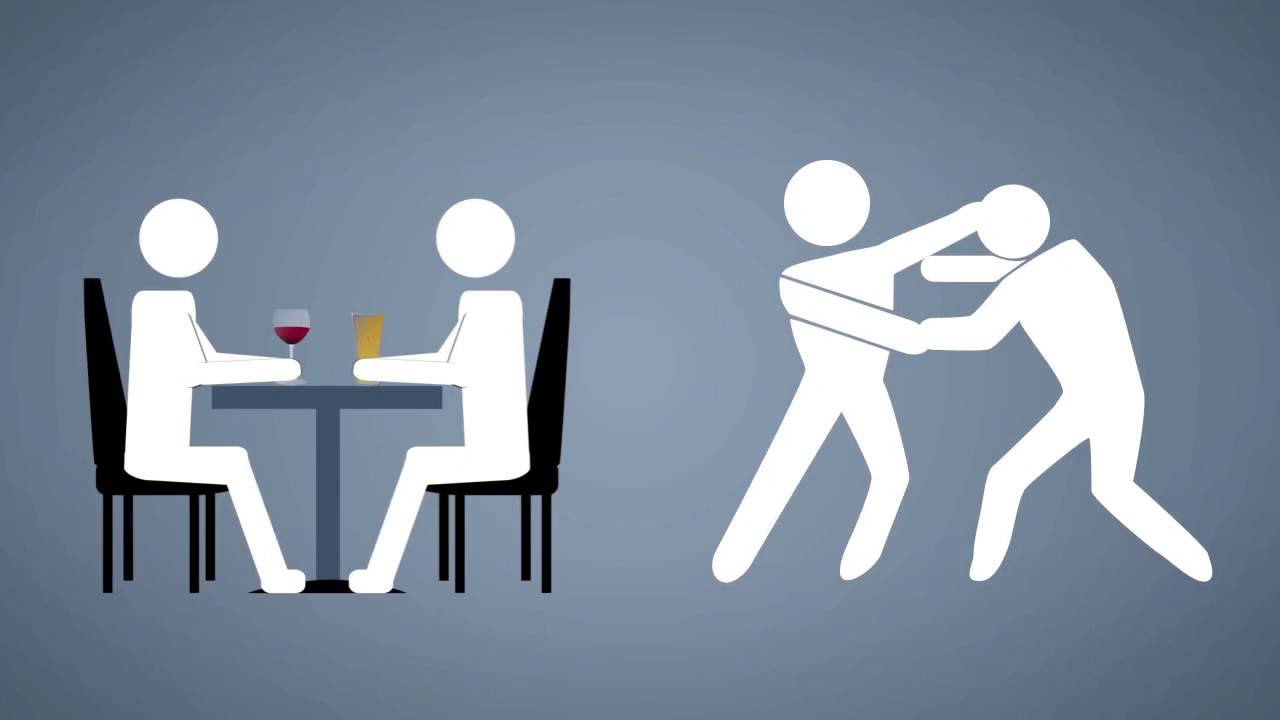
Receipts record a sale but not the state of the customer
The record at the point of sale is used to identify the date the transaction took place, which beverages were purchased and how charges are assigned to a tab.
The receipt won’t reveal what the customer’s actions were when the drink was ordered. The receipt might not show who consumed each drink when drinks were shared, as well as how the bartender was observing.
A professional witness can aid lawyers in the interpretation of these documents in conjunction with the surveillance footage and statements of employees. The goal is to retrace the service sequence without assuming that every purchase tells the whole story.
What can employees actually see?
A central question in many alcohol-related disputes is whether staff had any evidence to suggest a patron was intoxicated. These could be evidence of impaired coordination, unusual speaking and a difficulty in maintaining equilibrium or any noticeable changes in behavior.
These indicators require contextualization. The actions filmed on surveillance footage may not be related to alcohol. Investigators should also be aware of the camera’s angle, the recording quality the position of the employee, as well as the degree to which an incident was visible to staff.
Preston Rideout’s work as a seasoned bartender and bar manager and general manager of a nightclub, and director of bar operations is reflected in these evaluations. His operational background allows him to connect recorded evidence to the roles of employees working in bustling hospitality establishments.
Written Training Doesn’t Always Describe Real Practice
The majority of alcohol-related investigations concentrate on preparation for employees. Does the establishment offer server-seller training to its employees? Did the establishment provide training to employees to recognize intoxication potential? Has management explained to employees the procedure for refusing extra service?
These questions are central to Responsible alcohol service service, but reviewing training certificates alone may not answer them.
A business could have in-depth policies but never implement them consistently. In the other case an employee might be following the standards of service, even if it was not a good thing.
A review of operations considers the the training materials, employee testimonials supervision by management, as well as the actions that were recorded during the incident. Defense attorneys and plaintiffs are able to benefit from a distinction between the presence of the policy and its actual execution.
Timeline often sheds light on important questions
Imagine a customer who is served drinks by different bartenders in a busy evening. The first employee might have noticed normal behaviour. After a change of shift an employee from another shift could have served another drink. A manager might intervened following the shift change.
Without reconstructing the timeline these decisions may appear to be a single action of service. If you are reviewing transaction logs, staffing plans, surveillance footage, and incident reports it’s helpful to identify the person who knew what, and the time. It is better to determine whether there’s any missing files or videos, instead of guessing.
Legal Liability and the Practice of Industry are two different questions
Professionals from the hospitality industry can explain and judge if a facility follows the established operating guidelines.
They are not a substitute for the legal responsibility of the court to determine the legality of the liability. Dram shop laws vary between states, and also the conditions in which alcohol sellers could have to answer civil claims.
Rideout Hospitality Consulting supports plaintiff and defense attorneys nationwide through case review, operational analysis, depositions, written opinions as well as trial testimony. Its services address alcohol-related issues and staff training, as well as management techniques, and other hospitality-related operations.
The most robust analysis explains what the evidence doesn’t show
An incident involving alcohol could cause a lot of damage, but the severity of the result cannot be established by establishing every prior fact.
The attorney must be aware of the records available in the case, their limitations, and the expectations of employees in the circumstances.
An analysis of hospitality is a thorough way to distinguish assumptions from actual actions and determine if the location’s practices were in line with recognized standards or not. This distinction can help courts assess the events that actually occurred instead of relying on the information that was released in the aftermath.