A side-by-side can handle a surprising amount of rough terrain on tires. At some point, though, horsepower is no longer what decides whether you get through. Think of deep snow swallowing the wheels, spring mud wrecking a trail you’ve driven for years, or soft pasture ground that shows deep ruts the moment you cross it.
Getting stuck is no small inconvenience for people who depend on their machines. Chores like feeding livestock get pushed back, a hunting trip can be abandoned, or a remote property can’t be reached.
UTV tracks give you another route through these conditions, but the right setup isn’t simply the one with the most aggressive-looking tread.
What a Bigger Footprint Does for a UTV
Vehicle weight sits on a relatively small patch of ground with a tire. A track distribute that weight over a far larger area. This is how a side-by-side floats better in snow and soft soil instead of sinking as deeply.
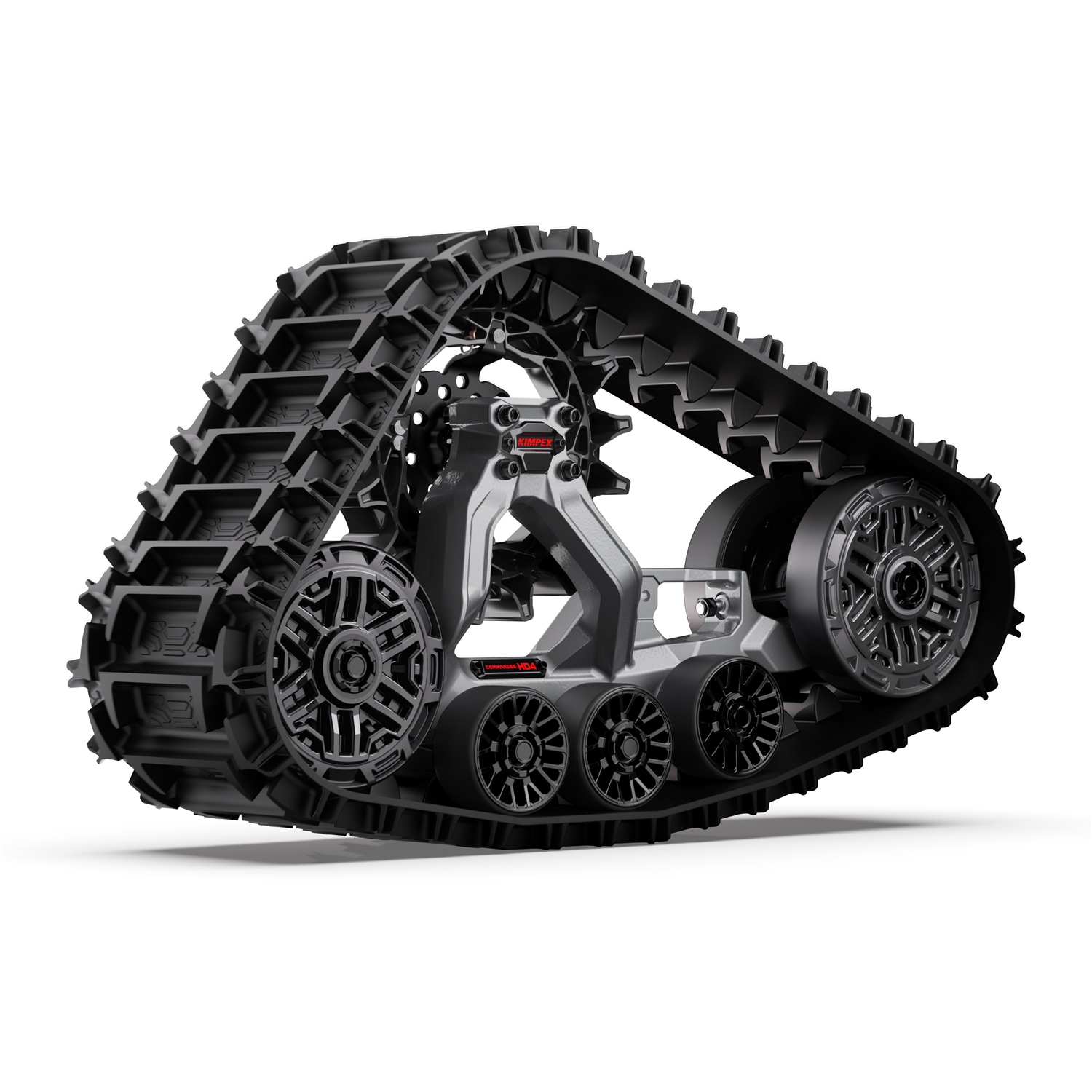
Loose terrain, mud, and packed snow are easier to cross with quality UTV track systems, which provide extended traction surfaces. Tracks won’t make a machine immune to getting buried. Deep, wet mud, hidden obstacles, and poor driving decisions can still leave a tracked UTV stranded.
Where You Need to Get Matters Most
Consider a rancher checking livestock after a winter storm. Reliable access matters most, especially with feed and equipment on board. Compare that with an ice fisherman heading to a favorite fishing location. Hauling capacity may count for less than snow flotation and maneuverability for that person.
Both can benefit from tracks for UTVs, but they may not need identical systems. Whether you hunt, own land, or ride for fun, consider your usual terrain, expected loads, and travel distances ahead of choosing a kit. More capacity than you need will raise the cost with no real benefit.
What You Give Up When the Tires Come Off
Tracks change the way a UTV handles. Improved traction and flotation come at the cost of substantial top speed with most systems. Actual performance varies by machine and conditions, but some manufacturers report average speed reductions of roughly one-third.
With tracks comes additional rotating weight and resistance, which means more fuel consumption and greater demands on the drivetrain. Correct track tension, regular inspections, and careful operation matter even more.
Driving long distances on pavement or abrasive gravel will accelerate rubber-track wear. When most of your driving is on maintained roads, tires could be the more practical choice.
Fit Matters More Than Looks
Not all side by side tracks fit every UTV. The mounting hardware is built around particular vehicle configurations such as make, model, and year. Attachment parts can differ even between machines with similar engines.
When ordering side by side track systems, make sure they’re compatible and get a complete list of required mounting parts, anti-rotation hardware, and any additional installation components. When vehicle-specific hardware is included, a system advertised at one price can end up costing more.
Think About the Entire Season
Tracks for a UTV are especially useful when snow, mud, or soft ground repeatedly keeps you from places you need to reach. Rutting on sensitive property may be lessened since tracks distribute vehicle weight more widely, though soil conditions and driving practices still play a part.
ATVTracks.net allows buyers to compare four UTV track system options and check fitment for their particular machines. The best purchase isn’t always the heaviest-duty or most expensive setup. The best one gives enough capability for your real conditions without unnecessary compromises.
Your side-by-side that rarely leaves firm trails may get by on good tires. A properly matched track system can make that machine useful for more of the year when seasonal conditions keep closing the route.