Pancreatic cancer is a type of cancer that is incredibly difficult to identify and more challenging to treat. The pancreas is an essential organ responsible for digestion and blood sugar management. Its subtle symptoms could cause the disease to be diagnosed in a more advanced stage. While genetics can be a factor, lifestyle factors such as diet and nutrition have a significant impact on the probability of developing this condition. People can lead a healthier and more active life being aware of the link between diet and the prevention of pancreatic cancer.
As research advances, the link between main causes of Pancreatic cancer arises when the cells of the pancreas grow uncontrollably, forming malignant tumors. Although the causes of pancreatic cancer are not always understood, several aspects are recognized to increase the risk of developing it:
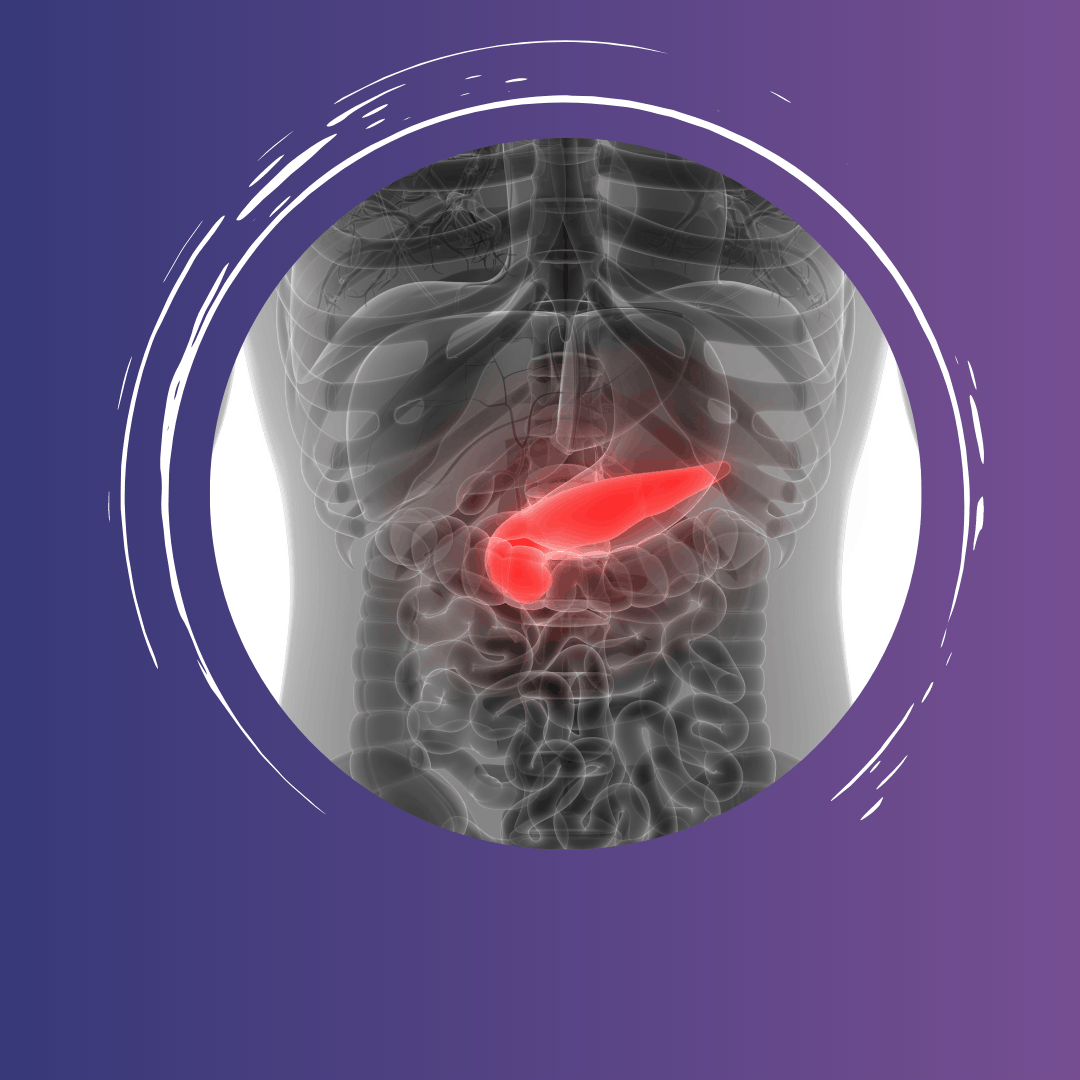
Image credit: trovanow.com
1. Lifestyle factors: Smoking can cause pancreatic damage because of carcinogens. A lifestyle of sedentary living and obesity can also result in chronic inflammation that can cause cancer.
2. Diet and nutrition A diet high in processed meats, refined sugars, as well as unhealthy fats could increase the chance of developing pancreatic cancer. These foods could cause inflammation, oxidative stresses, and insulin resistance.
3. Genetics and family history : Persons with a family pancreatic history, or cancers related to it, could inherit mutations in their genes that make them susceptible to this disease.
4. Chronic Medical Disorders – Conditions such as chronic pyatitis, diabetes and chronic pyatitis may increase your risk of developing inflammation and stress.
The Rolle of Nutrition in Preventing Pancreatic Cancer
Diet is essential to reduce the chance of developing pancreatic carcinoma. The diet plan for pancreatic cancer focuses on foods that improve the pancreas’ function, lessen inflammation and boost the immune system in the body.
Included Foods
1. Fruits and vegetables are rich in antioxidants, vitamins, as well as minerals, fruits and vegetables neutralize free radicals, and help reduce the risk of oxidative stress. Green leafy vegetables and cruciferous vegetables and fruits, are the most beneficial.
2. Whole Grains: Whole grains such as brown rice and quinoa are high in fiber. This aids in maintaining good digestion and regulate blood sugar.
3. Omega-3 Fatty Acids such as walnuts and flaxseeds reduce inflammation and promote the health of cells.
4. Nuts and legumes are both excellent sources of fiber, as well as vital nutrients.
5. Spices such as Turmeric and Ginger are known for their anti-inflammatory properties, these spices can be easily used in food preparations to gain health benefits.
Foods to avoid
1. Processed Meats: These contain dangerous chemicals, such as nitrates which have been linked with cancer.
2. Refined Sugars: A high consumption of sugar may cause pancreatic cancer or insulin resistance.
3. Chronic alcohol abuse can result in pancreatic inflammation that can lead to damage.
A balanced Pancreatic Cancer Diet is important
A healthy diet lowers the risk of developing cancer and helps those who are undergoing treatment. Maintaining strength, energy and immune function is crucial in the course of cancer treatment. The right nutrition can have major impact on recovery.
Small Meals and Hydration
People with pancreatic cancer are often afflicted with digestive discomfort. This is a problem that can be resolved by drinking plenty of water and eating small, nutritious meals throughout the day.
Protein-Rich Foods
Protein is vital for immunity and tissue repair. Protein-rich foods like lean meats, fish, eggs, and plant-based proteins are essential in a diet for pancreatic cancer patients.
Preventing Pancreatic Cancer: Beyond Diet
A healthy diet is important but lifestyle modifications are essential for preventing pancreas cancer
1. Smoking cigarettes is a risk-free cause. Quitting reduces the likelihood of developing pancreatic and other cancers.
2. Maintain a healthy weight Being overweight causes inflammation and insulin resistance which are both associated with pancreatic cancer. Regular exercise as well as a balanced and healthy diet help attain and maintain a healthy weight.
3. Regular Medical Checkups: Early detection is crucial to preventing pancreatic cancer. Anyone who have a family history of the disease or other risk factors should speak with health professionals to conduct screenings and monitoring.
4. Alcohol consumption should be limited. Excessive alcohol consumption can cause damage to the pancreas. It can also increase the risk of getting cancer. Moderation is essential.
5. Control Chronic Conditions. Through controlling diabetes, pancreatitis, and other chronic conditions by adjusting diet, medications, and lifestyle changes Cancer risk can be diminished and the stress on the pancreas is lessened.
As research advances It is becoming increasingly clear that pancreatic cancer may be linked to diet. Scientists continue their research into how certain nutrients and dietary habits can affect cancer. Personalized nutrition plans tailored to specific health and genetic profiles may soon play a vital part in the prevention and treatment.
Knowing the causes behind pancreatic carcinoma and its effect on diet and lifestyle can enable people to take proactive measures. A diet that is rich in whole foods that are derived from plants that are free of harmful chemicals and focuses on reducing the risk of pancreatic cancer can improve overall health and reduce risks. Regularly scheduled check-ups and changes to your lifestyle can reduce the risk of acquiring this disease.
Your health is in your control Every little change matters. Prevention begins with eating healthy.