It’s not hard for a pump station’s stoppage in functioning for it to become a problem. It can still transfer water or wastewater every day and yet be unable to cope with the peak times, require frequent maintenance or rely on control systems that are becoming increasingly difficult to maintain. It could still be functional however the original model of the equipment may not be a reflection of the current situation.
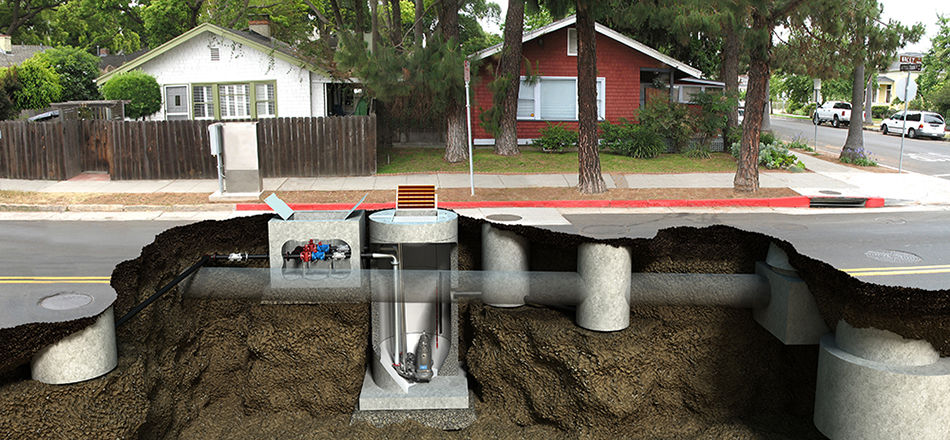
Image credit: romtecutilities.com
Recognizing this difference is important for developers, municipalities and facility operators when planning upgrades to infrastructure.
You should look past the equipment failing
A wastewater lift station retrofit should begin with an assessment of the complete system, not simply the pump experiencing problems. Engineers must assess the wetwell as well as mechanical and electrical parts. They must also take into consideration discharge pipes as well as current pumping needs.
The state of a wet well is extremely important. It may be possible, when the structure is in good condition to preserve it and then replace the outdated equipment. Costs of construction can be reduced as compared to constructing a new station. It is essential to maintain the existing infrastructure, even if improvements can be made.
Have the areas of service changed?
The wastewater plant that was built years ago can now be used to supply many more households, businesses and industrial facilities.
These modifications could alter flows and operational demands. For lift stations to be successful in rehabilitation, it’s not enough to restore the original specifications. Engineers need to evaluate the flow rate and anticipated in the system, the dynamic head of the equipment, operational reliability, and the capacity.
The solution is not always an increase in the size of the pump. New equipment needs to work with the existing system of piping Wet wells, wet wells and electrical supply, controls, etc. If not, enhancing one part can cause issues elsewhere.
Stormwater Retrofits Have Different Priorities
Retrofitting a stormwater pump station brings additional considerations, as the runoff patterns are affected by rainfall and nearby development. Stations that serve a detention basin may have different patterns of inflow than those that are receiving water from storm drains. Any changes to drainage infrastructures, such as new pavements or expanded parking lots, can affect the timing and amount of water that is available to the station.
Before recommending a proposed stormwater station upgrade, engineers should review the drainage area that is contributing to the project, expected peak flows, storage capacity, discharge conditions and current pump performance.
The information will help determine if the station needs to be rebuilt or whether modernizing the equipment is enough.
Plan the Construction Before Interrupting Service
The way the station functions in rehabilitation is a subject that is often overlooked. The wastewater systems are generally not able to be removed without a plan for ongoing flow control.
Based on the space available and project requirements Construction may require temporary bypass pumping, or even installing new infrastructure adjacent to the operating station.
The system might be required during an unexpected downpour. The engineering plan must include the sequence of installation in addition to temporary operations and equipment integration.
Help to Make the System simpler to use
Romtec Utilities provides site-specific engineering and supply solutions for wastewater and stormwater pumping needs.
The retrofit process will determine which electrical, structural mechanical, communication and structural components are to be retained and which ones need replacement. The company gives owners preliminaries plans and estimates for budgets for them to evaluate their the options for their project.
After installation, testing the startup as well as operator training are crucial to ensure that the new station is operating as designed. The successful rehabilitation process will provide the operator with a system that they can maintain and understand.
Improve the System, Not Just Its Age
A pump station that’s older doesn’t mean it’s a perfect candidate to be completely replaced. Even if electrical and mechanical components are outdated certain structures could be beneficial for years to come. It is crucial to decide what is safe and economically, while still ensuring that the station’s finished product is in line with current and future needs.
In assessing the overall operational conditions and structural integrity as well as the requirements for hydraulics and construction constraints, owners can to make better informed decisions.
It’s not only about making the old station operational. It’s about making sure that the new system is well-equipped to handle the challenges ahead.