Imagine how much planning is involved in a park. Landscape architects study access, circulation for pedestrians drainage and vegetation, parking, lighting, the layout of playgrounds, and how various groups will use the space. Yet one of the most utilized structures in the property may occasionally be regarded as an off-the-shelf option.
A restroom deserves more consideration. There are water and waste disposal needs, accessibility standards along with security, maintenance and building code requirements. It also has to withstand severe weather conditions as well as years of use by the public.
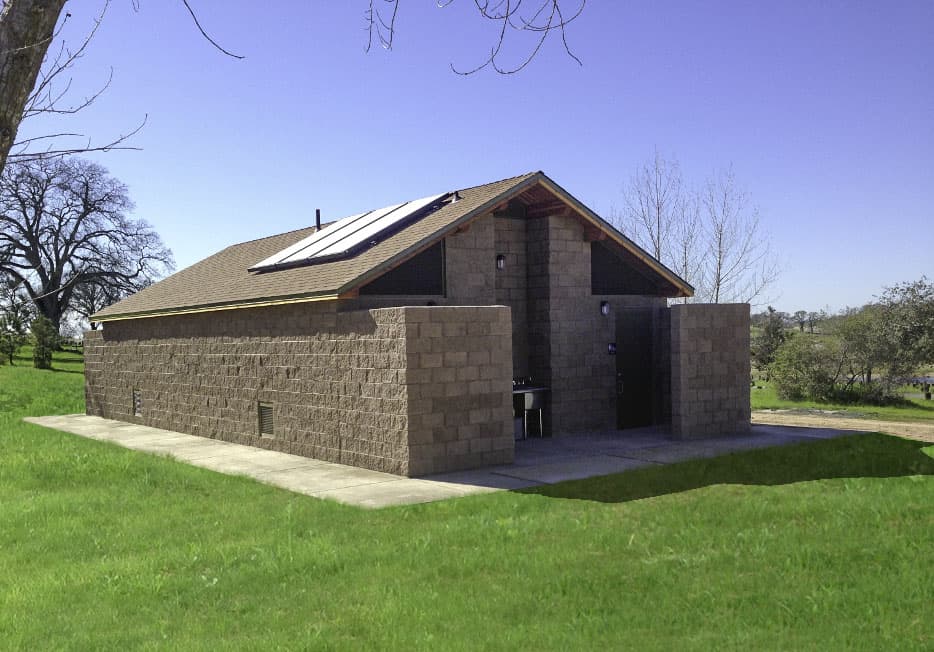
Image credit: romtec.com
Romtec’s method makes restroom design an integral part of overall site planning, not an afterthought.
Prefabrication doesn’t have to mean identical buildings
The concept of prefabricated restrooms in parks could suggest that there’s a restricted selection of construction styles. A kit-based approach can work differently.
Romtec offers custom-designed plans engineering documents, building materials, and the documentation required to construct them. Landscape architects can use this to select the styles and the appropriate materials for the project, while drawing from Romtec’s extensive experience in codes, ADA requirements, components price, and construction.
For instance, a city which is rehabilitating an old park might have a different idea of the exterior than a recreation department building a new sports complex. The two can benefit from a coordinated construction supply process, without having to design the building in the same manner.
City Streets Are a Different Design Concept
Restrooms located in dense urban areas are faced with specific operational difficulties. The restrooms might be flooded with pedestrians. There are also issues regarding vandalism, safety and cleanliness.
Romtec’s sidewalk restrooms incorporate visibility into the exterior design to encourage natural surveillance while maintaining the functionality expected of a public facility. It is crucial to choose materials that require little maintenance and are resistant to vandalism because repeated repairs can create a huge burden for public agencies.
The goal of building a bathroom is not just to enhance its strength. Layout, materials and the surrounding environment work together in order to make it easier to maintain.
The Most Important Question is the one that lies beneath.
Before deciding what a restroom will look like planners must first determine what infrastructure is actually in place.
A thriving city park might be connected to water, electricity and sanitation sewer lines. Move the same project to a more remote campsite or trailhead and extending the utilities might result in one of the biggest cost.
If you are located in an ideal location vault toilets can be an excellent alternative to water-based toilets. Romtec also provides components for these facilities including its single-piece polyethylene toilet riser. The material is easy to clean and chemical-resistant. It also hinders the growth of bacterial. It can be utilized in vault toilets that are either new or in existing facilities.
Design for People Arriving After Closing Time
Visitors are able to use the bathroom for a couple of minutes. Maintenance crews live with its style for many years.
It’s the difference in perspective that matters. Surfaces that are difficult to clean, parts that are easily damaged, as well as materials that are not suited for frequent cleaning can see small design decisions become recurring costs.
Durability and ease of service should be considered at the beginning stages of design, alongside costs and appearance. Sustainability, energy efficiency fixtures, vandal-resistant ones and simple maintenance could affect the value of a building.
A Small Building Can Still Belong to the Landscape
The style of the bathroom does not have to look as attractive as the parks that surround it. It shouldn’t look as if it was a blunder.
Romtec’s custom approach permits designers and public agencies to connect restrooms with other architectural elements such pavilions, shelters, and pools. While doing so essential requirements such as ADA accessibility and code compliance remain at the center of the initiative.
When these elements are combined and the result isn’t only a toilet. It’s an element of public infrastructure specifically crafted for the community and environment it serves.